Can Land Clearing in Missoula, MT Make Your Property Ready to Build?
Land clearing in Missoula, MT removes overgrown brush, trees, and stumps so your property is fully prepared for construction, farming, or development.
What's Included in a Professional Land Clearing Job?
Professional land clearing goes beyond cutting down trees. It covers everything needed to leave your site clean, accessible, and ready for the next phase of your project.
A complete land clearing job typically includes brush and vegetation removal, felling trees and cutting them to manageable sections, stump grinding below grade, root grubbing to remove root systems that would interfere with foundations or utilities, and debris removal or on-site chipping. Each step matters because leaving stumps, large roots, or compacted debris behind creates problems for grading and construction that are expensive to fix later.
You can see the full scope of what Heart 7 Enterprises offers for land clearing services in Columbus and the surrounding area on the website. The same crew and equipment that handles residential lot clearing also takes on large agricultural and commercial clearing projects across Montana.
Do You Need Stump Removal or Just Surface Clearing for Your Site?
The answer depends on what you plan to do with the land after clearing. Surface clearing works for grazing and some types of farming, but most construction projects require full stump and root removal.
Stumps left in the ground decompose slowly, creating voids beneath the soil surface as the wood breaks down. Those voids cause uneven settling in driveways, foundations, and building pads. Root systems extending from large stumps can also interfere with buried utilities, drainage systems, and concrete pours in ways that are not visible until work is underway. Grinding stumps to twelve to eighteen inches below grade and removing the major lateral roots prevents those issues from surfacing after your build is complete.
If your Missoula property has a mix of terrain, with some areas destined for construction and others staying in pasture or natural cover, a good contractor will help you identify which zones need full root removal and which can be surface-cleared to save time and cost. Matching the clearing scope to your actual land use plan is how you get the best value from this phase of work.
Preparing Your Missoula Property for Grading After Clearing
Clearing is almost always the first step before grading begins, and the two phases work together to turn raw land into a buildable, usable site.
Once vegetation, stumps, and roots are removed, your land is ready for grading equipment to reshape the surface, correct drainage slopes, and prepare pads for structures or paved areas. Skipping proper clearing before grading leaves buried organic material underground, which decomposes and causes settling that undermines the grading work you paid for. Starting the right way saves you from having to redo work down the line.
Heart 7 Enterprises handles both phases, which means your clearing and grading work is coordinated by the same team with the same site knowledge. For Missoula properties that require full site development from raw land to a finished pad, the company also provides excavation services in Columbus and across Montana , keeping your project moving without handoffs between separate contractors.
How Missoula's Valley Terrain and River Proximity Affect Clearing Plans
Missoula sits in a wide valley at the confluence of several rivers, and that geography creates site conditions that shape how land clearing projects need to be planned and executed.
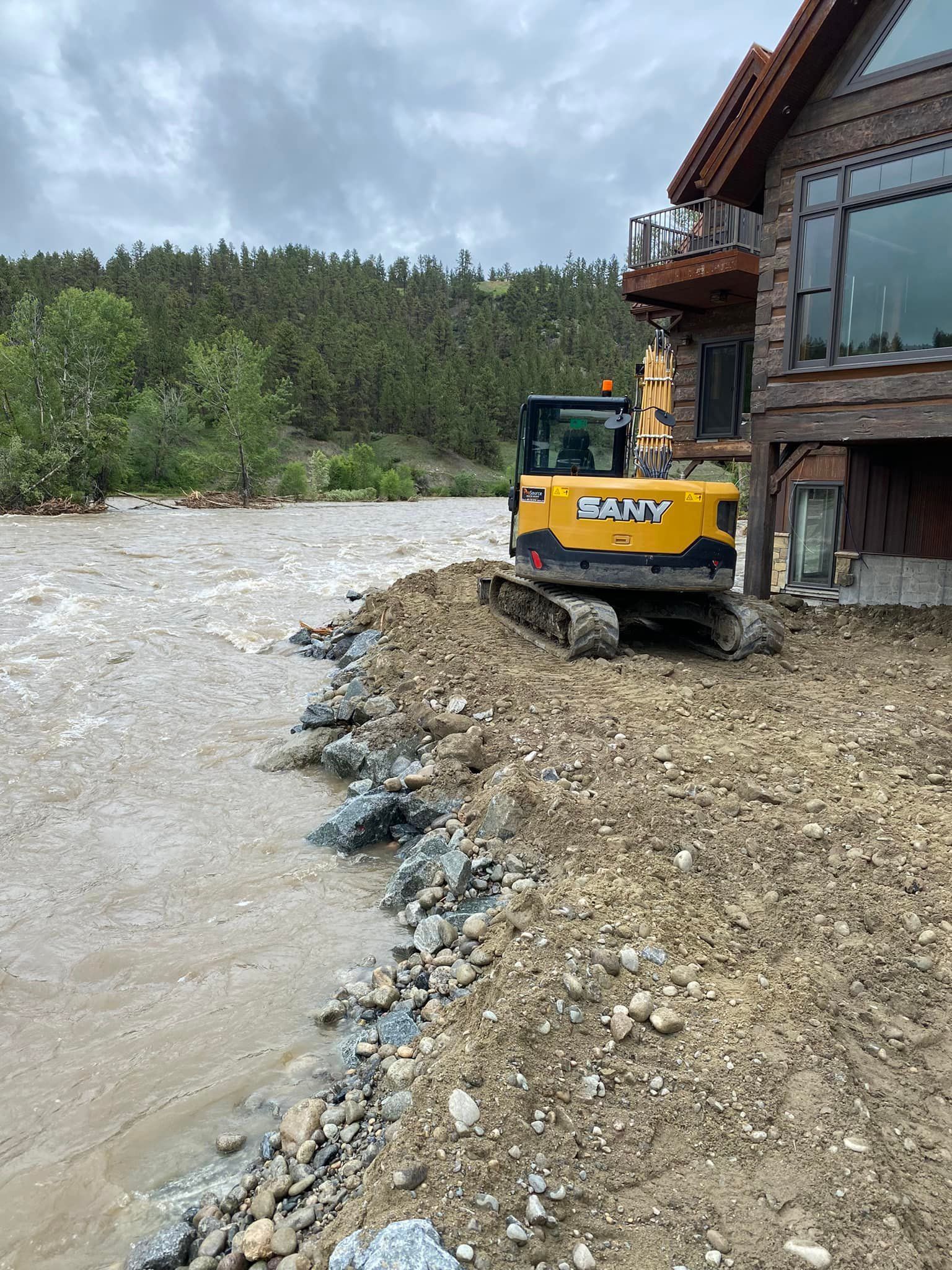
Properties near the Clark Fork, Blackfoot, or Bitterroot Rivers often have high water tables, saturated soils in spring, and riparian vegetation that includes mature cottonwoods and willow thickets with deep root systems. These root systems require more aggressive grubbing than upland sites, and wet spring ground can limit when heavy equipment can access the site without causing rutting or compaction problems in areas you want to preserve. Scheduling clearing work for late summer or early fall, when soils are drier and machinery causes less disturbance, is often the smarter approach for river-adjacent Missoula properties.
Valley floor properties in Missoula also sometimes have buried irrigation infrastructure, old agricultural tile drains, or gravel deposits left from historic river action that affect how clearing and grubbing proceed. An experienced crew does a site assessment before equipment moves in to identify these conditions and adjust the plan accordingly. That upfront work prevents equipment damage, avoids disturbing protected riparian buffers, and keeps your clearing project on schedule and on budget.